What does it really cost to own a pool on Florida's Space Coast?
Beyond the purchase price, Space Coast pool owners pay for electricity, chemicals, maintenance, eventual resurfacing, and must meet Florida's pool safety law. Budget for ongoing costs, not just the higher sticker price.
On the Space Coast, a pool is not a luxury feature, it is practically a category of home. Buyers relocating to Brevard County from up north often tell me a pool is non-negotiable, and I understand why: our swim season runs most of the year. But the conversation I have with those buyers at the kitchen counter is about everything that comes after closing day, because a pool is a system you own and operate, not just a hole full of water.
This is not a post about whether pool homes cost more to buy (they do, and I have covered that elsewhere). This is about what the pool costs you every month and every year you own it, plus the Florida safety law that every pool home buyer on the Space Coast should understand before closing.
What are the recurring costs of pool ownership in Brevard County?
- Electricity: the pump is the heart of the pool and it runs on your power bill. Older single-speed pumps cost noticeably more to run than modern variable-speed pumps, which is worth checking during your inspection.
- Chemicals and water: chlorine or salt cell maintenance, balancing chemicals, and topping off evaporation, which is real in a Florida summer.
- Service: many Space Coast owners hire a weekly pool service; others handle it themselves for the cost of supplies and their Saturday morning.
- Heating, if you want it: an unheated Brevard County pool is comfortable much of the year, but winter swimming usually means a heat pump or gas heater and the operating cost that comes with it.
What big-ticket pool expenses should buyers plan for?
Pools age on a schedule, just like roofs. The finish (marcite, pebble, or similar) eventually wears and needs resurfacing. Pumps and motors have a service life. Salt cells are consumable. Screen enclosures, which most Space Coast pools have, take a beating from sun and storms, and panels and doors need periodic replacement.
None of this should scare you off. It should simply show up in your offer math. When I tour a pool home with buyers in Melbourne, Viera, or Merritt Island, we look at the equipment pad the same way we look at the water heater: how old, what condition, and what is the remaining life.
What does Florida's pool safety law require?
Florida's Residential Swimming Pool Safety Act, Chapter 515 of the Florida Statutes, requires residential pools to have at least one of these safety features:
- A barrier at least 4 feet high isolating the pool from the home, with gates that open outward and self-close and self-latch
- An approved safety pool cover
- Exit alarms on all doors and windows with direct pool access
- Self-closing, self-latching devices on doors with direct access, with the release at least 54 inches above the floor
- A pool alarm that sounds when someone enters the water
The law applies broadly: it covers structures deeper than 24 inches, including hot tubs and non-portable spas, and failing to equip a new pool with a safety feature is a criminal misdemeanor. If you are buying an existing Space Coast pool home, ask which feature the pool relies on. If the answer is "none," that is a repair conversation to have before closing, not after a scare.
For families with young children, I also point buyers to the federal Pool Safely campaign from the Consumer Product Safety Commission, which has practical layered-protection guidance that goes beyond the legal minimum.
How does a pool affect insurance on the Space Coast?
Tell your insurance agent about the pool when you quote the home, because it affects liability coverage. Insurers commonly ask about fencing, enclosures, diving boards, and slides. A screened and fenced pool with compliant gates is a much easier conversation than an open, unfenced one. Some owners also raise their liability limits or add an umbrella policy once they own a pool, which is a question for your insurance professional, not your real estate agent.
Is a pool worth it in Brevard County?
For a lot of my buyers, absolutely. The Space Coast climate means you will actually use it, unlike markets where a pool sits idle eight months a year. The point is not to avoid pool homes. The point is to buy one with your eyes open: inspect the equipment, verify the safety features, price the insurance, and budget for the operating costs. Do that, and the pool becomes what it should be, the best room of the house.
FAQ: Owning a pool on the Space Coast
Should I get a separate pool inspection when buying in Brevard County?
Yes, if the pool is a major part of the home's value to you. A pool-experienced inspector can evaluate the surface, equipment, leaks, and enclosure. Standard home inspections vary in how deeply they cover pools, so ask what is included.
Does every Space Coast pool home have to have a fence?
Not necessarily a fence specifically. Florida's Chapter 515 requires at least one approved safety feature, which can be a barrier, an approved cover, door and window exit alarms, self-latching door hardware, or a water-entry alarm. Local rules can be stricter, so verify with the city or county.
Do screened enclosures count as a pool barrier?
A screen enclosure can function as part of the barrier if it meets the statute's requirements, including height and self-latching, outward-opening access. Have the specifics verified during inspection rather than assuming.
Shopping for a pool home in Melbourne, Viera, Palm Bay, Merritt Island, or beachside and want an honest read on what it will cost to own? My partner Nichole and I got your back. Reach out anytime at (321) 212-7676 or www.livingspacecoast.com.
If you are budgeting the enclosure itself, read our guide to screen enclosures and pool cages on the Space Coast.
Considering Brevard?
Two REALTORS who actually live where you're moving.
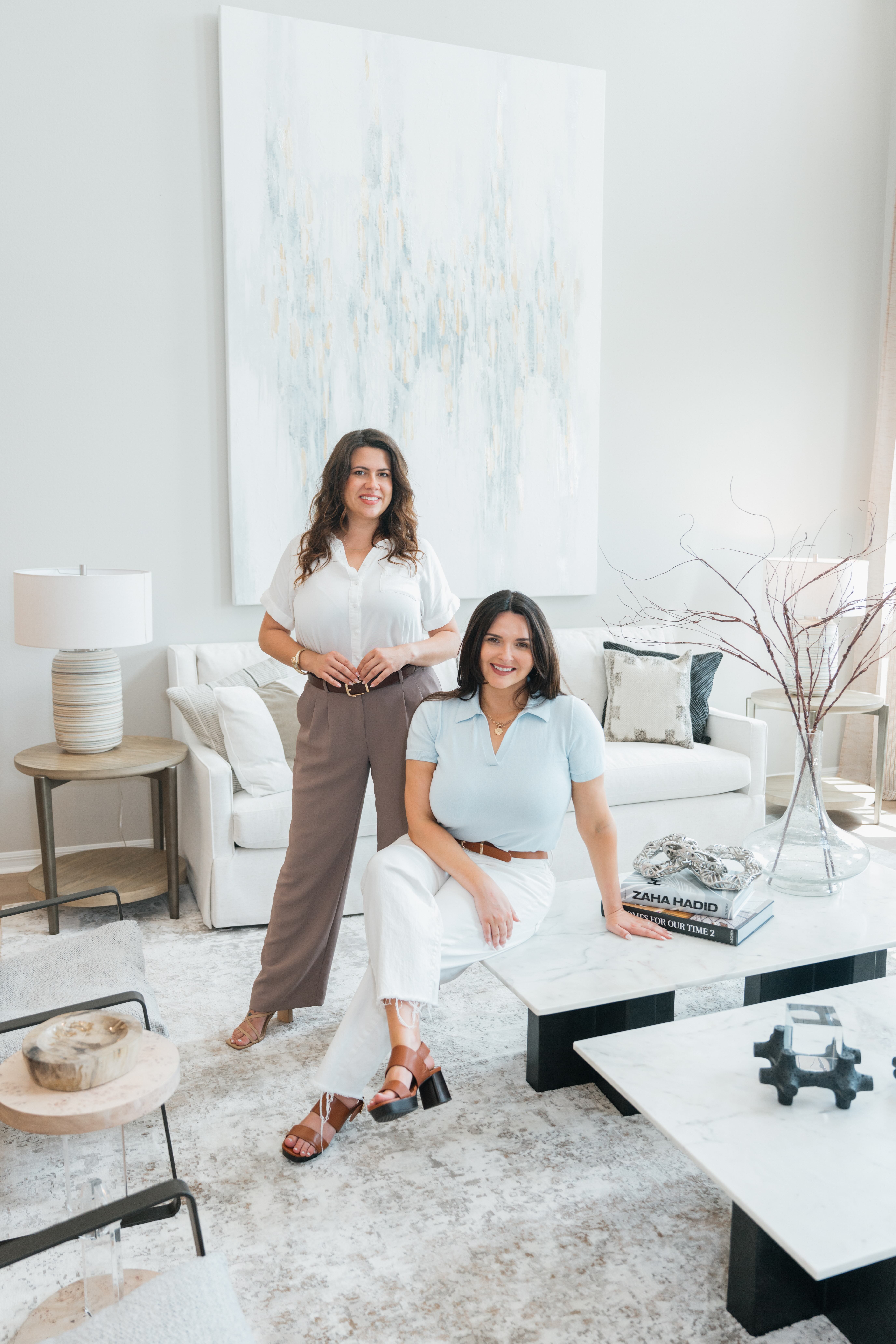
Rachel Langley and Nichole Barna have helped hundreds of families land on Florida's Space Coast. Rachel relocated here in 2022 and Nichole grew up in Brevard County. We know these neighborhoods because we live in them.
Space Coast Relocation Checklist
The 40 page guide we send every buyer moving to Brevard County. Neighborhoods, insurance, taxes, schools, closing timelines. Free.
Get the Free GuideNot ready for a guide? Let us hear your situation.
A thirty minute call with Rachel and Nichole. No script, no pressure. Tell us your timeline, your budget, and what you actually want. We will tell you what we would do.
Book a Call With UsCall us BEFORE you walk into a model home or open house.
The sales rep works for the builder, not for you. Builders let you have your own agent, but you HAVE to name us on your first visit. Walk in without us and you can lose the right to bring us in on that purchase.
Text us at 321-212-7676 first. We meet you there. You still get the new construction. You also get two REALTORS who negotiate pricing, contract terms, inspections, and repairs every week.
Read this next: Allegra at Cocoa Is Open: 312 New Apartment Homes on the Space Coast
:format(webp):quality(80)/u.realgeeks.media/livingspacecoast/Rachel25_(1).jpg)
:format(webp):quality(80)/u.realgeeks.media/livingspacecoast/Nichole_Barna.png)