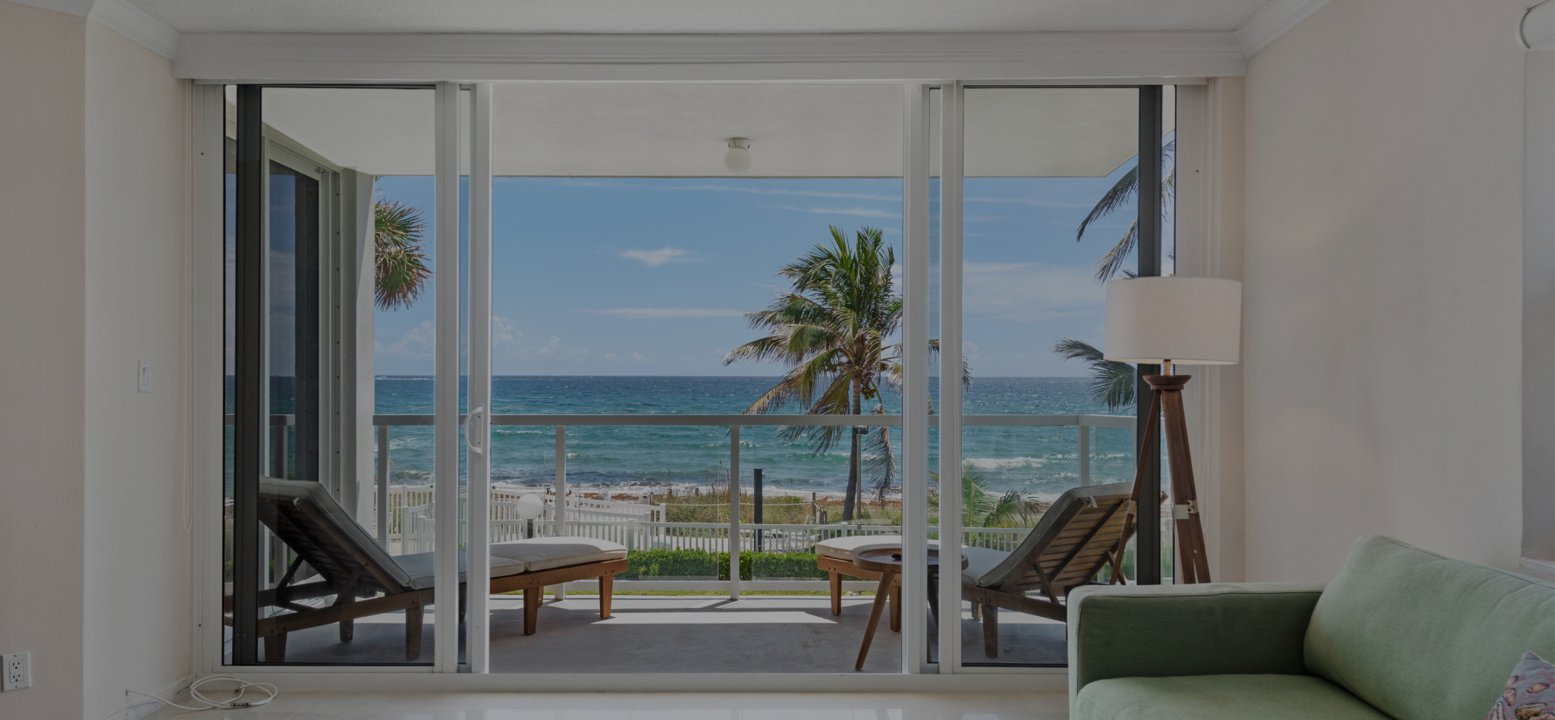
Flood Zones in Brevard County
A coastal county on the Atlantic with rivers and lagoons running through it. Flood zones matter here, and they affect what you pay, what you can build, and which homes you can even insure. Here is the full picture.
Why flood zones matter in Brevard
Brevard County sits on the Atlantic Ocean with the Indian River and Banana River running through the middle of it. Almost every town in the county has some property in a designated flood zone, and the zone designation directly affects three things: whether your mortgage lender requires flood insurance, how much that insurance costs, and what you can build or rebuild on the lot.
The big news for Brevard buyers: the county participates in the FEMA Community Rating System (CRS), which earns flood insurance discounts for everyone in unincorporated Brevard. That discount applies before you even shop for a policy.
FEMA flood zones, explained
FEMA classifies every parcel in the country into a flood zone. The four you will encounter most in Brevard:
If your zone starts with the letter X, you are fine. If it starts with A, you are in a high-risk zone. If it starts with V, you are in a coastal high-hazard zone and your premium reflects that.
What an elevation certificate does
An elevation certificate is a document prepared by a licensed surveyor that shows the elevation of the lowest finished floor of a home compared to the Base Flood Elevation (BFE) for that parcel.
This single document can be the difference between a $5,000 yearly flood premium and a $500 yearly flood premium. Here is the math at work:
Built at or below Base Flood Elevation: $2,000 to $5,000+ per year
Built 2 feet above Base Flood Elevation: $500 to $800 per year
If a home in Brevard is in Zone AE or VE, ask the seller for an elevation certificate before you go under contract. If they do not have one, factor in $400 to $700 to commission a new one during your inspection period. The certificate stays with the home, so it is a worthwhile investment.
Mortgage requirements for flood zones
If your home is in Zone A, AE, AH, AO, V, or VE and you are using mortgage financing, the lender will require a flood insurance policy in place at closing. This is non-negotiable. The lender will also escrow the premium with your taxes and insurance, just like homeowners insurance.
If you are paying cash, flood insurance is technically optional. Most Brevard buyers in coastal flood zones still carry it because a single uncovered flood event can cost more than a decade of premiums.
Average flood premiums by Brevard area
Premiums vary widely based on zone, elevation, structure type, and coverage limits. As a rough guide for 2026:
- Inland Brevard in Zone X (Viera, West Melbourne, parts of Mims and Cocoa): $400 to $700 per year, optional
- Inland Brevard in Zone AE (lagoon-adjacent neighborhoods, parts of Merritt Island, Rockledge, Suntree): $700 to $2,000 per year
- Coastal Brevard in Zone AE (much of Cocoa Beach, Satellite Beach, Indialantic, Melbourne Beach): $1,500 to $4,000 per year
- Coastal Brevard in Zone VE (oceanfront and near-oceanfront): $3,000 to $8,000+ per year
The single biggest variable is elevation. A coastal home built on stilts above the BFE will pay a fraction of what a coastal home built at grade pays.
How to look up a flood zone before making an offer
This takes about 90 seconds and can save a transaction.
- Go to msc.fema.gov/portal/search
- Enter the property address
- FEMA returns the FIRM (Flood Insurance Rate Map) panel for that property
- The zone designation is on the map, color-coded
For Brevard-specific elevation certificates on file, contact the Brevard County Public Works Floodplain Administration at 321-617-7340. They keep certificates on file for any structure permitted in the last ten years in unincorporated Brevard.
What to ask before you make an offer
- What is the FEMA flood zone designation?
- If high-risk: do you have a current elevation certificate?
- What was the structure built to (BFE plus 1 foot, plus 2 feet, etc.)?
- Has the property ever flooded? Are there past NFIP claims?
- If lender required: have you been continuously insured?
The fifth question matters because of grandfathering. A home with continuous NFIP coverage may be eligible for grandfathered rates, even if FEMA later remaps the zone. Lapsed coverage breaks grandfathering.
Standard homeowners insurance does NOT cover flood damage anywhere in Florida. If your property is in a flood zone of any kind, NFIP or private flood is the only way to actually insure against rising water. Hurricane wind damage and flood damage are insured separately.
Flood zones are not the end of the road
When I started showing homes in Brevard, I assumed every coastal flood zone was automatically off the table. It is not. A well-elevated home in Zone AE can be perfectly affordable to insure. A waterfront home in Zone VE that was built right can still pencil out.
What matters is knowing what you are walking into BEFORE you fall in love with the house. That is the part this guide is for.
Looking at a Brevard home?
If you want help running a flood zone check before you make an offer, or thinking through whether a coastal property still fits your budget, let us talk.
Schedule a callRachel Langley, REALTOR®
Blue Marlin Real Estate
321-212-7676 | rachel@livingspacecoast.com
This article is for general information. Flood zone designations and premiums change. Always confirm current FEMA flood zone, elevation certificate, and insurance pricing with a licensed Florida flood agent.